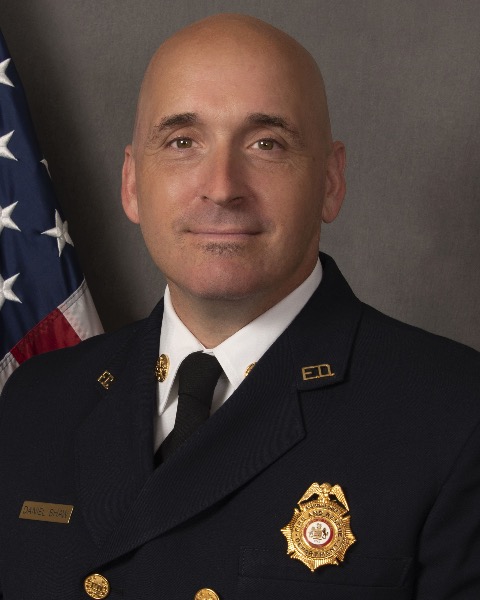
Assistant Chief of Operations Fairfax County Fire and Rescue Department Catonsville, Maryland, United States
The American fire service has struggled to answer the question accurately if their performance at their last fire was a success was or not. We must remove biased evaluations and subjective interpretations of performance and develop a factual, data-based understanding of our operational performance. This class will explain the "why" behind a Suppression QA program and how and what empirical fireground data to use to evaluate performance. Students will learn how evaluating operational performance will guide operational training, fireground doctrine, and apparatus specifications. Additionally, a Suppression QA program provides all of your leaders the opportunity to give, and receive consistent, relevant, and useful feedback. This can lead to greater accountability and provide a pathway for fire departments to affirm their 'wins' and encourage future success.
Learning Objectives:
Determine the difference between data driven and data informed
Determine what data to collect to evaluate operational performance
Learn how accurate data will assist in designing and validating your department strategic plan and how to develop and deliver consistent framework for post incident feedback, called Tailboard Critiques
Learn to use the data collected and lessons learned to drive how to train effectively and how to use the data collected and lessons learned to spec apparatus for tactical and strategic wins.