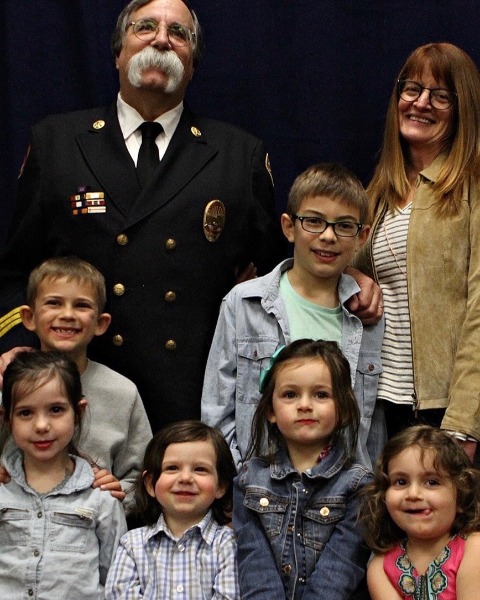
DEPUTY FIRE CHIEF LOVELAND-SYMMES FIRE DEPARTMENT Loveland, Ohio, United States
As a chief officer, it often feels that the department's problems rest on you. And those problems are numerous. Just a few examples: In a 2023 survey of 2,100 firefighters and fire service leaders, 94% said their department had experienced staffing issues in the past three years, 62% said the expanded scope of the job feels unsustainable from a training perspective, and 48% said their mandatory overtime has increased. Add in shrinking budgets, city and county politics, and new safety hazards like lithium-ion batteries, and you have a perfect recipe for sleepless nights.
But here's a secret: What's keeping you awake is likely something other leaders have faced, and many of them have the answers. Risk management expert Gordon Graham and Deputy Chief Billy Goldfeder have made a career of studying tragedies, close calls and leadership problems. In this session, they'll explore the concepts of the "Black Swan" and the "Grey Rhino" to show how events that sneak up on organizations and cause tremendous problems have often been experienced by other similarly situated organizations. The session will use examples of leadership failures and successes to help chief officers learn from one another and better position their organizations for success.
In the same survey cited above, 53% said their supervisor's stress level impacts the general wellbeing of other members. You can't - and don't - have to handle the leadership issues alone. Join us for a dynamic discussion on how we can identify the known problems and share common solutions - leading to better sleep for all.
Learning Objectives:
Commonalities in the leadership challenges facing chief officers.
How the concepts of the Black Swan and the Grey Rhino can help us create a foundation for sharing institutional knowledge to address leadership challenges and prevent tragedy.
Why internalizing stressors and challenges - rather than addressing them openly and looking to other departments for solutions - creates more problems for chief officers.